Wedding Caterers – Choosing a Menu of Appealing Options
Wedding caterers have come a long way from the days of disappointing wedding guests with old-fashioned menus often served with no appeal and no flavor. Savvy wedding guests who knew what to expect might have wisely chosen to eat before going to the wedding, or fill up on hors d’oeuvres as soon as reception waiters began offering the bite-sized options. For many wedding guests, the thought of dried-out or over-cooked meals usually left much to be desired and much unwanted food on dinner plates.
However, bad food is no longer the most-remembered part of a good wedding as top caterers are creating mouth-watering menus that have wedding guests salivating in advance after they open their invitations. Today’s talented chefs and pastry artists are far from content to serve plates of rubber chicken and mushy fish—as were often the offerings of receptions in the past. Instead, culinary experts present perfectly cooked entrees, sides, and delectable desserts that leave guests eager for an invite to another amazing wedding dinner in the future.
While the bride and groom may know what types of food or cuisine they would like at their wedding dinner, the most important considerations for the happy couple are their dinner budget and how they would like dinner to be served to their guests. Based on current estimates, engaged couples should expect to allocate 20 percent to 40 percent of their wedding budget for catering, which can make food the largest itemized expense for most couples. The final catering bill is usually based on a per-guest amount and typically includes the cost of food, beverages, serving staff, and any equipment rentals that are needed.
For budget-conscious couples getting married in Indian River County (IRC), one of the best ways to reduce the cost of wedding catering comes down to the type of dinner service the couple chooses. As a comparison, a formal, sit-down dinner service may be more convenient for the newlyweds, their family, and special guests. It can also help avoid long lines at a buffet-style dinner. But the formal dinner will most likely cost more than the buffet, as a larger wait staff is needed to accommodate and serve all wedding tables simultaneously. The formal dinner also allows for all tables to be efficiently cleared after the last course is finished, whereas a buffet dinner may have no set end time, resulting in unfinished food and/or empty plates left on tables well into the evening.
In addition to the formal-style and buffet-style wedding reception dinners, a third dinner option that is gaining popularity among some newlyweds and their guests is the family-style reception dinner. This type of dinner combines elements of both the formal and buffet styles; however, this dinner includes large serving platters of food that are brought to the table to be passed around, requiring the need for less waiters to serve guests. The dinner guests remain seated and serve themselves and waiters bring and clear plates as needed. This style ultimately results in less foot traffic to and from the tables and encourages more interaction among guests at the tables. However, one important consideration for any couple that chooses the family-style dinner is the size of centerpieces, which will need to be smaller to accommodate various courses, which are intended to be shared by all the guests at the table.
Once IRC couples decide on the style of dinner service that they prefer, they will also need to decide on the type of cuisine they want to have served to their guests. Wedding caterers that offer scheduled menu tastings can help couples create personalized or themed menus that can address dietary restrictions and requirements well in advance to prevent any unwanted dining outcomes. Some of the main menu concerns should include: will the menu need to be kosher, gluten-free, nut-free, keto-friendly, etc., or should the newlyweds have specialty menus as options for guests with dietary restrictions? For couples unsure of their guests’ dietary issues, it may be safer to plan a somewhat generic – yet still very tasty – menu to avoid any possibility of guests receiving or sharing the wrong meal, which could result in unfortunate health issues.
Another fast-rising trend among wedding caterers and reception meals is a dinner that focuses on farm-to-table ingredients. This trend promotes an eco-friendly consciousness of how and where food items are grown, as well as the seasonality of the menu items, which allows dinner guests to experience the flavors of food when it is at its peak of freshness. However, couples that insist on farm-to-table ingredients may need to be accommodating to what options are available in the season in which a wedding is held. Because this trend continues to grow, many wedding caterers are introducing new and innovative seasonal menus that are sure to impress all wedding guests.
For many engaged couples looking to find the perfect caterer for their wedding, there are countless suggestions that can be found online. Articles and advice from so-called internet “experts” range from very lengthy consultations to menu flexibility, customization options, and requests that beg for recommendations based only on low cost and close proximity. The best way for engaged couples to find a great wedding caterer in Indian River County is to focus on ABC: Allow plenty of time to research caterers and cuisines; Be open-minded to new ideas and menu options; and focus on Clear communication with the caterer you ultimately choose.
Wedding stats about guests show that most wedding guests remember the ceremony, the beautiful bride, the handsome groom, and the wedding cake. For many wedding guests, even more memorable is how much in love the newlyweds appeared, which is a sight that is comparable to the culinary devotion given to a wedding menu by top wedding caterers.
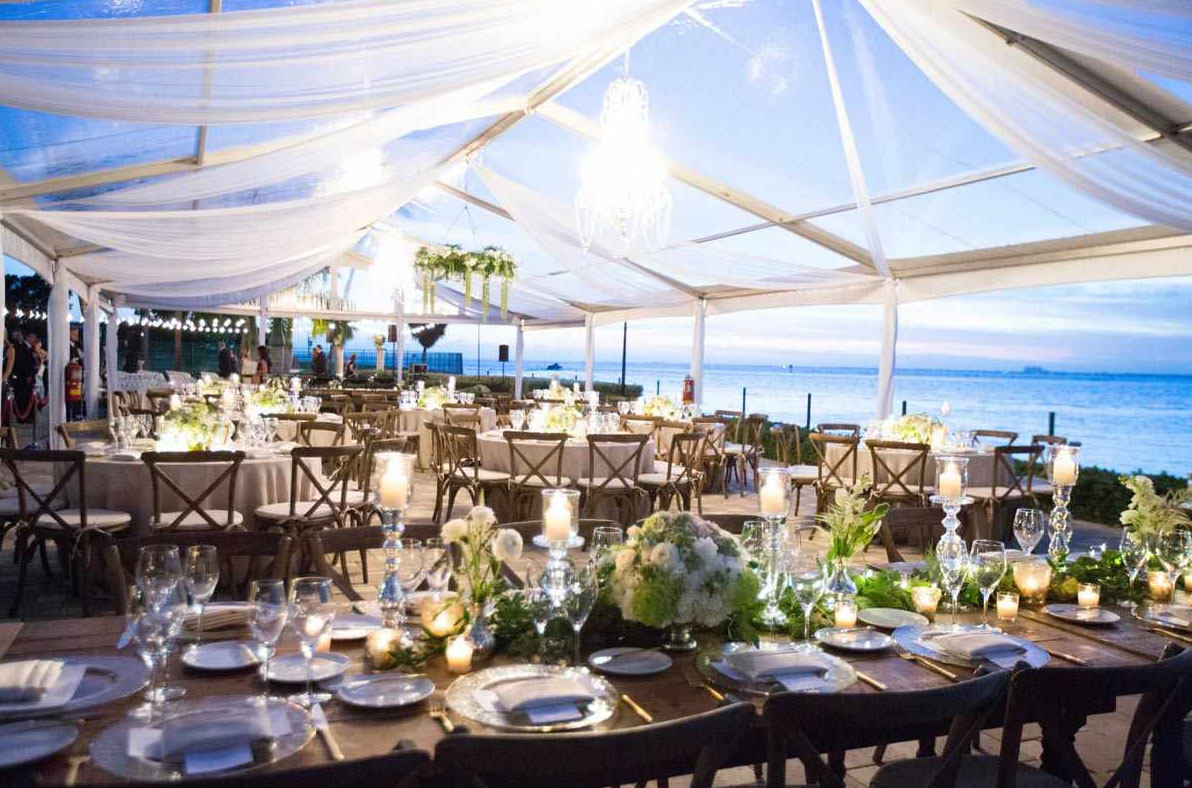
Photo courtesy of Bill Hansen Catering
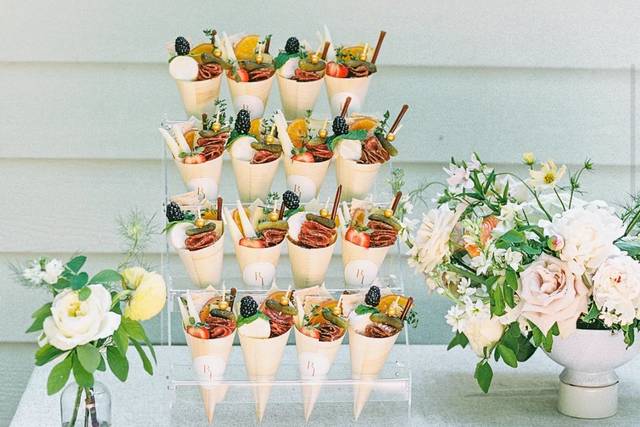
Photo courtesy of Sticks & Stones Catering
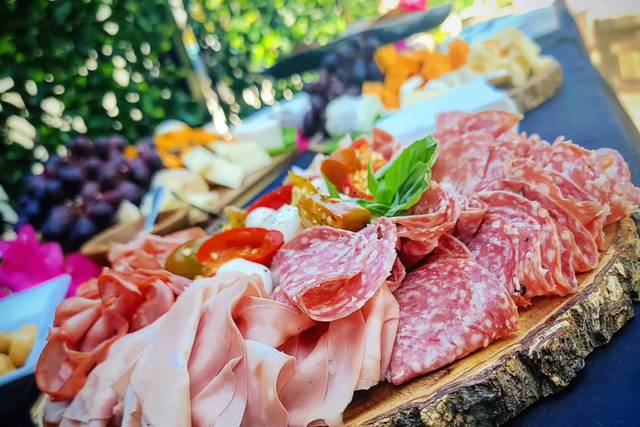
Photo courtesy of Viaggio Cucina